Submitted successfullyUnder evaluation

From macro policy to meso practice: the competences Europe needs for the green transition in energy

Greenpulse — Participatory Understanding of Labour and Skills in Energy

Greenpulse is a proposal to Horizon Europe topic HORIZON-CL2-2026-01-TRANSFO-07, submitted successfully and now under evaluation. Everything here describes planned work, not a funded project.

“To build a boat is not about weaving the sails, forging the nails, or reading the stars; to build a boat is about birthing a common desire for the sea in our hearts.”
— Antoine de Saint-Exupéry, after Citadelle (1948)

HORIZON-CL2-2026-01-TRANSFO-07

“Most available research on the green transition focuses on macro-level policies, overlooking how workers and communities can drive change.”

— Horizon Europe Work Programme 2026–2027, topic TRANSFO-07

Context

Europe’s energy system is being rebuilt faster than people are trained to run it

Since 2023, decisions taken for security as much as for climate have remade the European energy system, and each one lands on people who must operate something they were not trained for.

Latvia

Left the Russian-controlled BRELL frequency area in February 2025; batteries at Rēzekne and Tume now help hold the frequency.

Poland

Delivered its first offshore wind power in July 2026, while coal still produced 52.7% of its electricity in 2025: two energy systems, one workforce.

Belgium

Completed the foundations of the Princess Elisabeth Island, an artificial energy node, in August 2026, before the marine and electrical engineering cohorts exist.

Montenegro

At Pljevlja two of every three workers depend on coal, and no retraining is attached to the plant’s exit.

AI adds to the pressure: generative AI reached 53% adoption within three years, at work and in households, faster than the personal computer or the internet. The competence that counts shifts from knowing how a machine is engineered to understanding what it is and how to govern it.

When the schedule is set by security and climate rather than by the training system, competence becomes the binding constrainton decisions already taken. Neither the Union’s competence frameworks nor its statistical instruments can yet say whether the people who must carry those decisions have what the decisions require.

The problem TRANSFO-07 sets — and where the meso level fits

Europe has a map of the competences. It lacks the evidence the map was drawn without.

2 in 5

adults train, against the EU’s target of 60% of adults in training every year by 2030.

European Pillar of Social Rights, 2030 targets

“no need”

is the commonest reason adults give for not training. The research places the cause in how jobs are structured, not in the worker.

Cedefop ETLS · Korpi & Tåhlin

1 in 8

workers worldwide holds any green skill at all, and no accepted standard for measuring green skills exists yet.

ILO flagship report, 2026

TRANSFO-07 itself notes that most research “focuses on macro-level policies, overlooking how workers and communities can drive change.” The EU’s competence frameworks — GreenComp, DigComp, EntreComp, LifeComp — are built by expert consensus: GreenComp drew on about 75 experts and stakeholders. They give Europe a shared vocabulary, but they have never been tested against evidence from the places where competence is formed — firms, training sites, energy regions, youth and worker communities. That is the meso level, and it is where the call asks for evidence. Europe does collect worker data at scale — Cedefop interviewed 44,752 employees in 2023–24 — but the survey arm and the framework-building arm do not read each other.

Greenpulse’s contribution is to add that missing layer. It sets what Europe says workers need (the prescribed layer) against what training provides (the taught layer) and what workers and communities actually do (the livedlayer), and measures the gap. It moves the question of “deficit” from the individual to the productive system, where the evidence points. The survey reuses Cedefop’s own questions so its results can be compared with European figures, and competence concepts that emerge from the fieldwork are submitted to ESCO as documented change requests.

Overall objective

To take the pulse of the green transition where it is felt — in the energy sector, at the meso level — diagnose it, and recommend how to build the competences it needs.

Greenpulse would make the competences that workers, young people and communities have and need traceable, teachable, translatable, transferable and updatable (T4U), each term carried by a named deliverable.

SO1

Characterise the meso-level competence set in energy: ontological, cognitive, technical, affective and behavioural (OCTAB).

KER1

SO2

Build the primary evidence base the frameworks lack: two surveys, narrative (NECx) and archival (HACx) collections, and the Competence Equity Monitor.

KER3 · KER2

SO3

Operationalise the green–digital interconnection, including ontological literacy: what it takes to work alongside AI systems.

KER5

SO4

Turn evidence into separate instruments for policymakers and for training providers, and feed it back to the frameworks.

KER4

SO5

Treat gender, disability and youth inclusion as drivers of transition quality, tested through the xEET formats.

KER6

The three expected outcomes of the call

Outcome 1 · KER1 · KER3

Understanding of the competences needed

The Meso Competence Observatory, the survey datasets and the meso–macro gap: the first primary meso evidence against which the consensus-built frameworks can be tested.

Outcome 2 · KER4 · KER6

Actionable advice for E&T and policy

A policy Roadmap and separate programme guidance for training providers, the Green Transition Academies, and a youth and NEET orientation module — with gender and disability built in.

Outcome 3 · KER5 · KER10

Green ↔ digital interconnection

A green–digital competence matrix, a pre-registered test of whether AI makes competences converge across sectors, and an AI-literacy specification for energy employers.

Evidence is returned to the frameworks as a deliverable, not as an act of dissemination: change requests to ESCO and a GreenComp × ESCO × O*NET concordance, submitted as proposals — adoption remains the Commission’s decision. See the full call coverage.

Why energy — single-sector focus

The sector whose constraints cascade into every other

A systemic backbone

Agriculture, automotive, construction and climate adaptation all depend on the energy system. And in energy, security and the green transition have become the same problem, stated twice.

Cedefop demand-validated

Cedefop places green-skill demand highest in energy and models the churn: electricity jobs growing as fossil jobs decline.

Six countries, one regime typology

18 sites across statist (FR · BE), Nordic coordinated (SE), Central-Eastern and Baltic post-transition (PL · LV) and candidate (ME) skill-formation regimes, with the liberal pole read through the macro layer only (O*NET, and Canada’s OaSIS through POLYGON) – so a finding can be tested against the institutions that produced it, not just repeated.

Twin-transition spine

Energy work is becoming AI-mediated — grid balancing, predictive maintenance, digital plant monitoring. Greenpulse tests whether the EU’s green-skills layer still describes that work. Strongest ground for Outcome 3.

Nuclear — build-out and dismantling in one portfolio

In the Cotentin, France’s nuclear relaunch (Flamanville, the Grand Carénage, La Hague) already strains recruitment. Around Mol, Dessel and Geel, the BR3 reactor and Joint Research Centre facilities are dismantled beside the MINERVA accelerator and a small modular reactor programme. The same competence is seen both as build-out and as dismantling.

Nature and climate adaptation is the intersectoral horizon against which each energy competence is checked.

The energy field in three moments — 18 sites, six countries

Expansion poses an acquisition problem; decommissioning an unlearning and transfer problem. The frameworks are written as though the transition only expanded, so the sites cover all three moments.

I · Energy made — Cotentin & Brest (FR) · CORESO Brussels & Mol (BE) · Kurzeme coast & Zemgale (LV) · Łeba (PL) · Nikšić & Bar (ME) · Boden–Luleå (SE)

I · Energy made

Cotentin & Brest (FR) · CORESO Brussels & Mol (BE) · Kurzeme coast & Zemgale (LV) · Łeba (PL) · Nikšić & Bar (ME) · Boden–Luleå (SE)

II · Energy embodied — Brest & Paris-Saclay (FR) · Liège basin (BE) · Inčukalns (LV) · Puławy (PL) · Nikšić (ME) · Boden–Luleå, Skellefteå & Stenungsund (SE)

II · Energy embodied

Brest & Paris-Saclay (FR) · Liège basin (BE) · Inčukalns (LV) · Puławy (PL) · Nikšić (ME) · Boden–Luleå, Skellefteå & Stenungsund (SE)

III · Energy retired — Cotentin (FR) · Mol–Dessel–Geel (BE) · Zemgale & Inčukalns (LV) · Konin (PL) · Pljevlja (ME)

III · Energy retired

Cotentin (FR) · Mol–Dessel–Geel (BE) · Zemgale & Inčukalns (LV) · Konin (PL) · Pljevlja (ME)

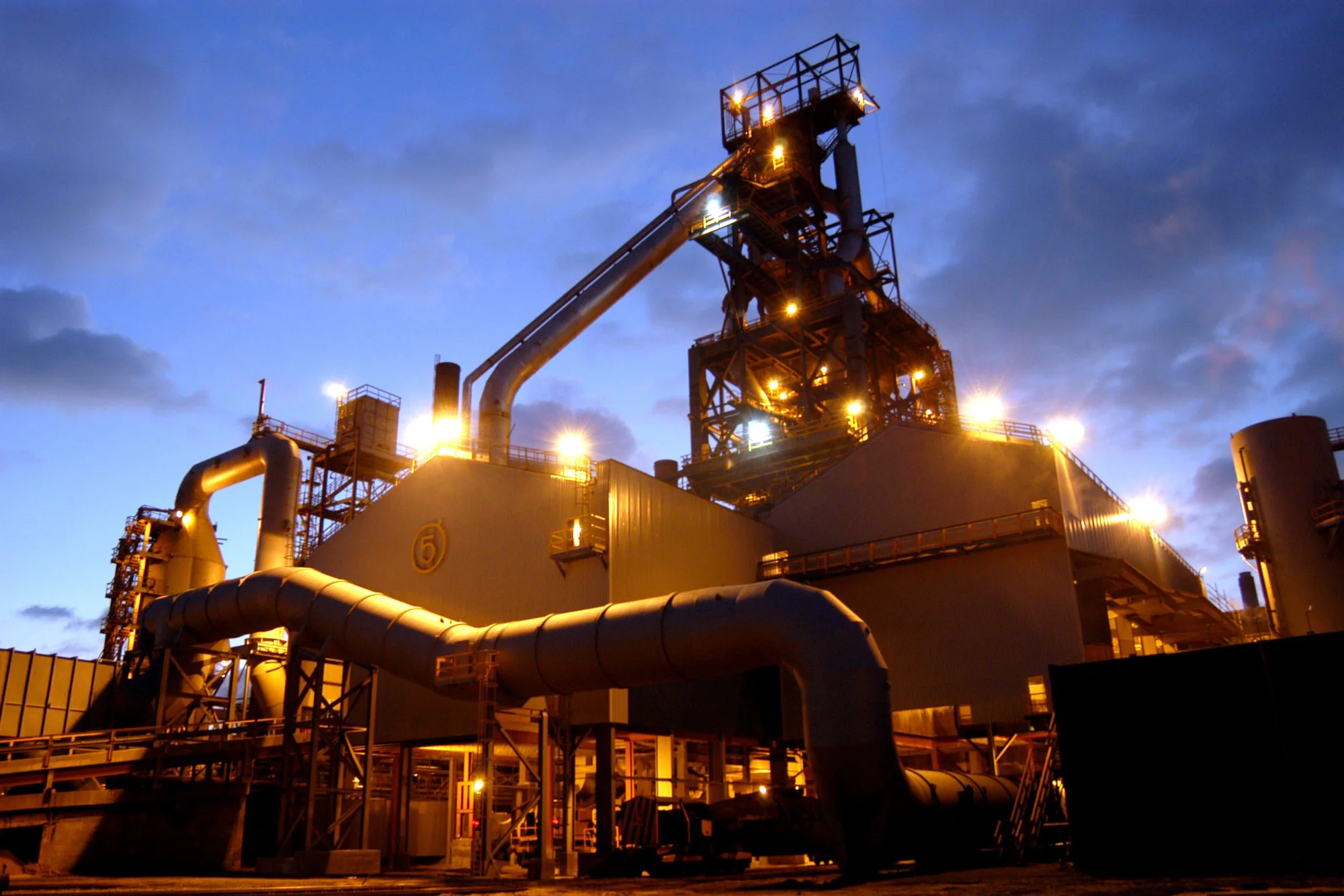
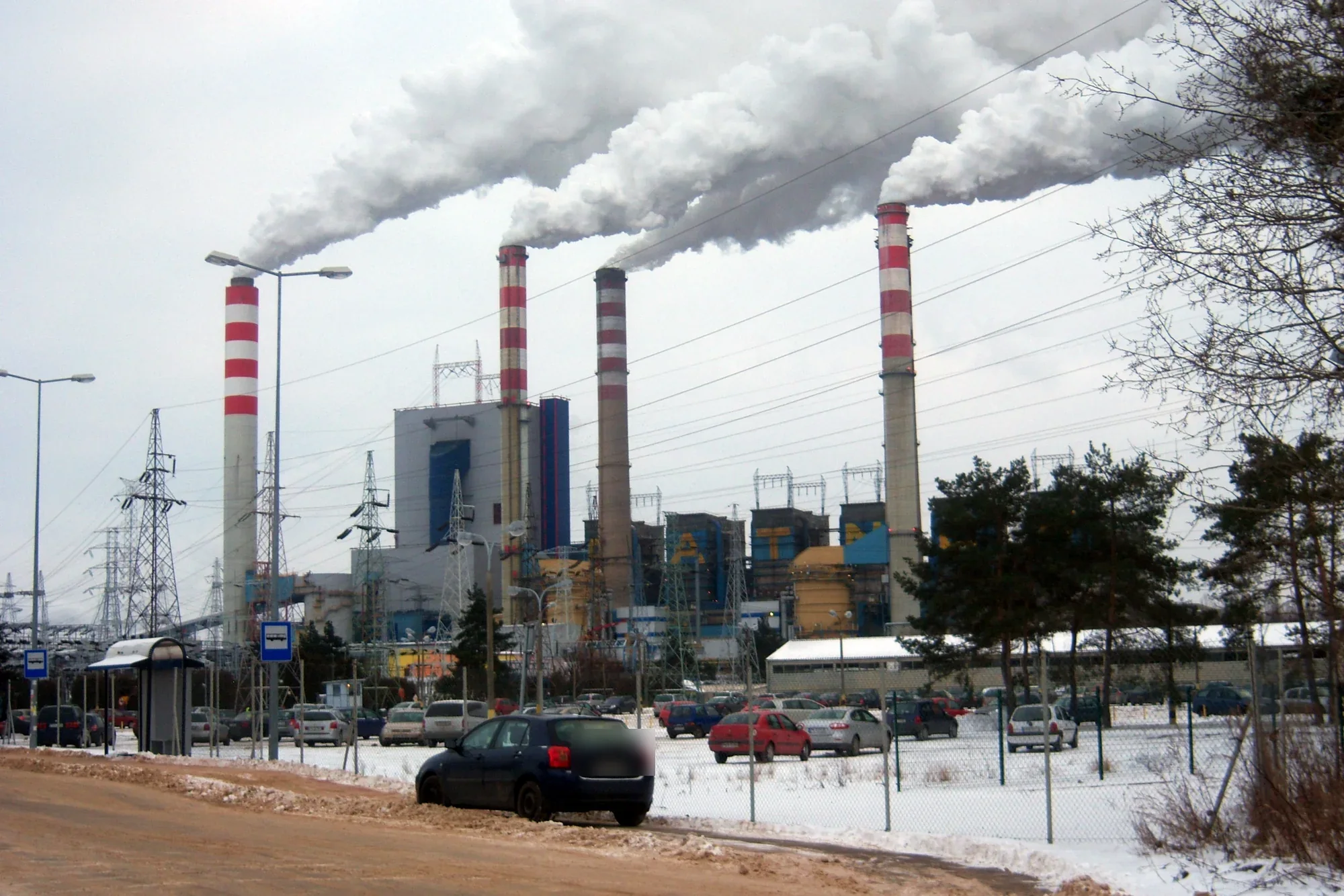
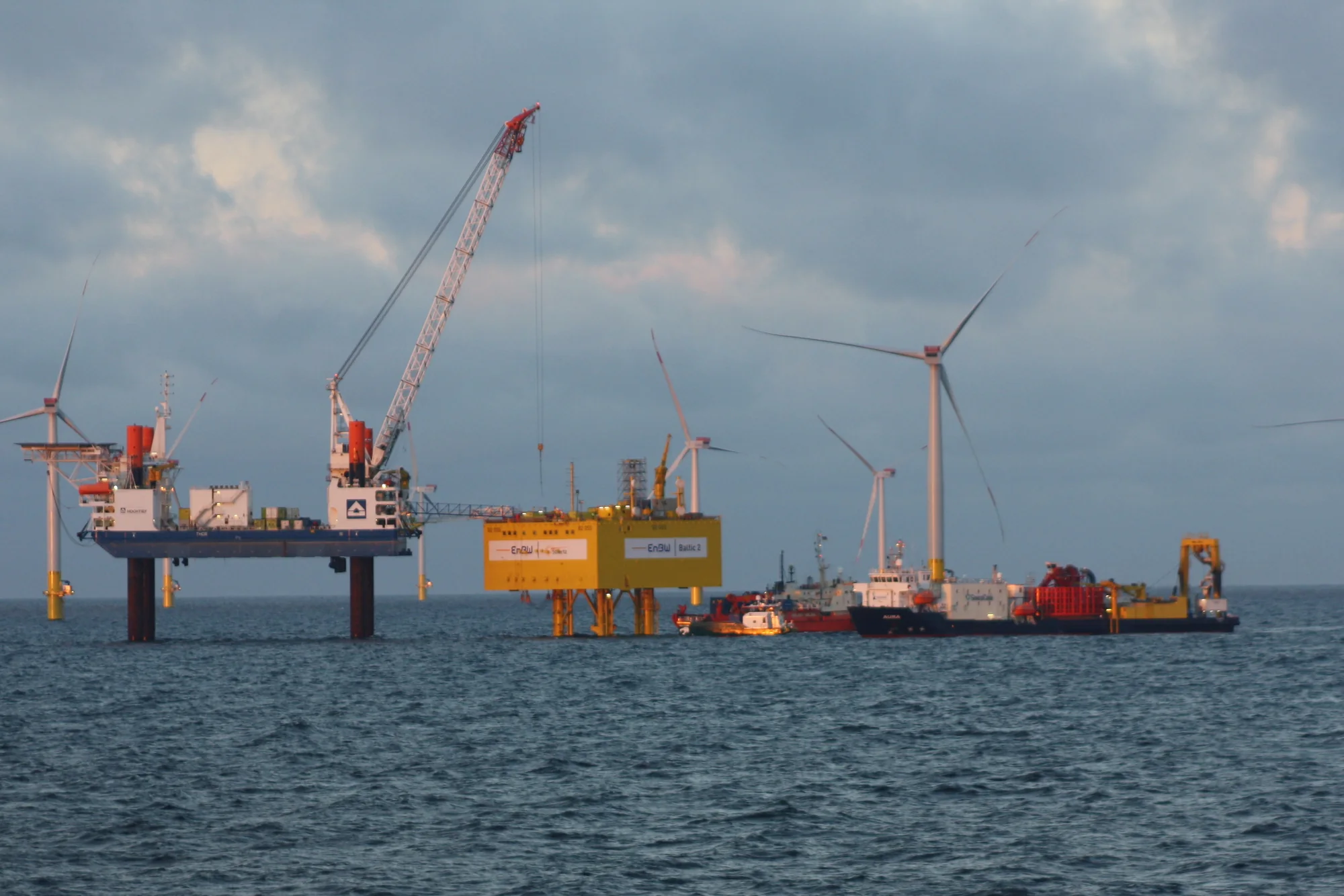
Sites are indicative until the field manual (D2.2, month 7). Several sites hold more than one moment. Site photography (cropped): Baltic offshore construction © Clangula, CC BY-SA 4.0 · Port Talbot blast furnace public domain · Pątnów, Konin © Jakub Maciejewski, CC BY-SA 4.0 — via Wikimedia Commons. Images illustrate each moment; they do not all show Greenpulse sites, and not every named site is pictured.

Picking up where EU work left us

A decade of EU skills research mapped the demand.Greenpulse would identify the competences, explain why gaps reproduce, and return the findings to policy and training.

Cedefop · Eurofound · the JRC · SkillsPULSE · BRIDGES 5.0 · SKILLAB — Europe has built a large quantitative baseline on green-transition skills. Greenpulse does not duplicate it. It would carry it forward with what TRANSFO-07 asks for: understanding of the competences needed, from meso-level evidence, actionableE&T and policy guidance (including gender, disability and age-of-intervention dimensions), and operational green-digital competence integration.

EU research has built

Quantitative baseline

  • Cedefop ETLS — 44,752 employees interviewed across 29 countries (2023–24)
  • Eurofound EWCS 2024 — 36,644 respondents, 35 countries
  • Cedefop Skills Forecast and Skills-OVATE — projections and job-advert detection
  • ESCO green layer (629 concepts, v1.2.1) and the US O*NET green-skills canon
  • SkillsPULSE — the vocabulary of external shortages, internal skill gaps and over-skilling

What the baseline cannot see

The persistent blind spot

  • Which competences workers actually use at the meso level — a job advert records a hiring transaction, not the work
  • Why mismatch reproduces where it does
  • How workers account for their own competence — and where GreenComp's categories land or don't
  • The AI-mediated work that leaves no trace in job ads or code — a control-room operator relearning which alerts to trust
  • How field evidence gets back into the frameworks and into training programmes

Evidence × explanation × policy

What Greenpulse would add

  • Outcome 1 — Meso Competence Observatory (KER1): the meso competence taxonomy organised by skill-formation regime, with an open GreenComp × ESCO × O*NET concordance
  • Outcome 2 — Policy Roadmap (xRoadmap) for policymakers and programme guidance (xGuidance) for education-and-training institutions, with gender, disability and youth routes (GRBC, Green Transition Academies)
  • Outcome 3 — the Digital–Green Competence Matrix (DG-CoM) with its ontological-literacy cluster, a pre-registered cross-sector homogenisation test, and an energy-sector AI-literacy specification (KER10)
  • NECx Sharing Circles and biographic interviews (54 Circles, about 350 participants) + HACx site historiographies (CNAM · Musée des Arts et Métiers) — a combination no comparable project fields
  • Synergies the call names: the NEB Facility (NEB Academy) and the STR Partnership · European Pillar of Social Rights 2030 targets · open science via EOSC and CESSDA

The handoff in one sentence

SkillsPULSE measures how much mismatch there is and where. Greenpulse would explain why it reproduces where it does — in one sector, at the meso level, from primary narrative and archival evidence.

Three TRANSFO-07 outcomes, three answers — the Meso Competence Observatory (understanding), the Roadmap and programme guidance (E&T and policy advice), the Digital–Green Competence Matrix and AI-literacy specification (green–digital). BRIDGES 5.0, in which CNAM is a beneficiary, brings a track record and reusable data (2.1 million vacancies, 156,000 collective agreements). The open-source ESCOX extractor built by the CL2 project SKILLAB is reused, not rebuilt: Greenpulse would extend it from job-market text to narrative interviews and test it in a dedicated validation study (WP6). SkillsPULSE is not a partner; the link runs through joint briefs, shared workshops and cross-advisory contacts.

See the clustering map for the committed links: the concurrent TRANSFO-02 cohort (PACT, HIT, MOSAIC), the BOLSTER Just Transition Cluster, SKILLAB and BRIDGES 5.0.

At a glance

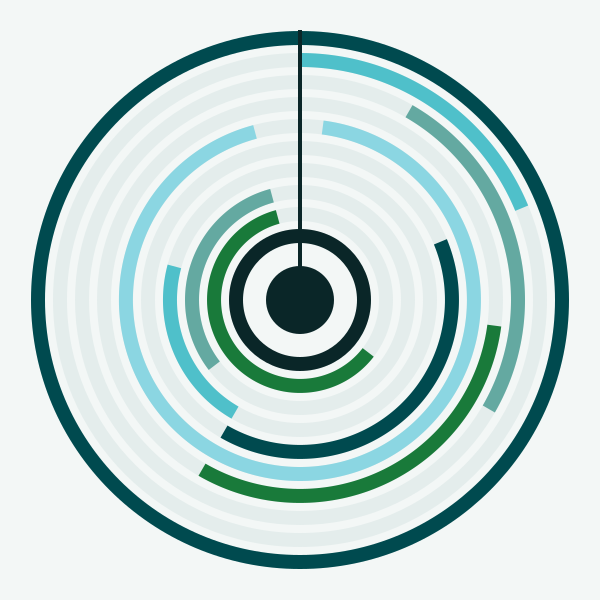
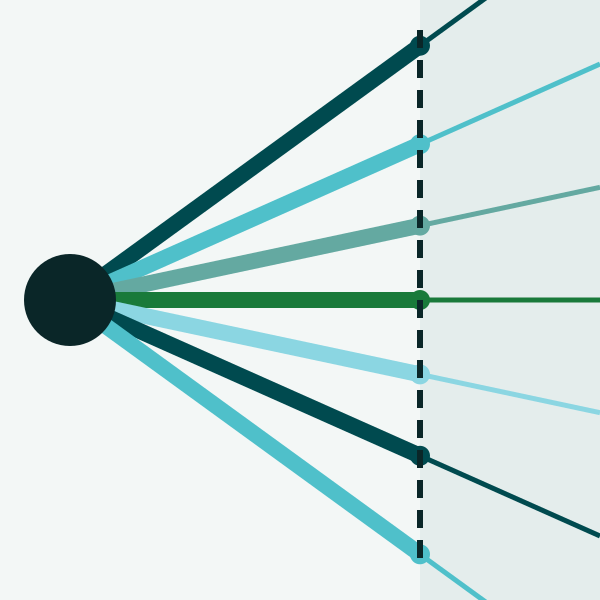
The proposal in seventeen shapes

One emblem for each table of the Part B, each drawn with the few forms its idea needs. Every one opens the table itself.

See all seventeen →

Coordinated by

Conservatoire national des arts et métiers (CNAM)

A vocational and lifelong-training institution since 1794.

Consortium

8 beneficiaries · 7 countries · fieldwork in six countries

Academic & Heritage
CNAMUWRSU
Research Institute
IRES
Civil Society
ENoP
Youth Organisation
ZOCG
SME
POLYGONQUIZAS

Advisory Board: four named seats, appointed by the General Assembly at month 3 if the project is funded – see Partners.

Geographic footprint

Where the consortium reaches

Drag to pan · scroll / pinch to zoom · hover any partner country for detail

8 beneficiaries · 7 countries · fieldwork in 6

Consortium partner countryCNAM Centers · 22 countries

🇪🇺EU member states

🇫🇷FR🇧🇪BE🇱🇻LV🇵🇱PL🇸🇪SE

Accession candidate · own 2028 target

🇲🇪

Montenegro

ZOCG

🌐Associated / international

🇨🇦CA

CNAM Centers · institutional reach of the coordinator

22 countries · 5 continents · Métropole + DROM-COM

Algérie · Bénin · Burkina Faso · Burundi · Cameroun · Chine · Côte d’Ivoire · Djibouti · France (Métropole + Guadeloupe · Martinique · Guyane · Réunion · Mayotte · Nouvelle-Calédonie · Polynésie française) · Gabon · Guinée · Liban · Madagascar · Mali · Maroc · Mauritanie · Niger · République centrafricaine · République du Congo · Sénégal · Togo · Tunisie

Coordinator’s teaching + partner-centre footprint. Distinct from the Greenpulse consortium partner countries above; shown to indicate scale of CNAM’s institutional reach.